Blog
Storm-Ready: Prepping Safety Gear, Tie-Downs, and Generators for Hurricane Season
When hurricane season looms, the difference between damage and disaster often lies in preparation. Both homeowners and construction crews need to be proactive, particularly when it comes to securing supplies that can prevent injury and property loss. Safety gear, tie-down materials, and power backup systems aren’t just nice to have—they’re essential. Here’s how to prep these items to weather the storm safely and smartly.
Stocking Safety Equipment
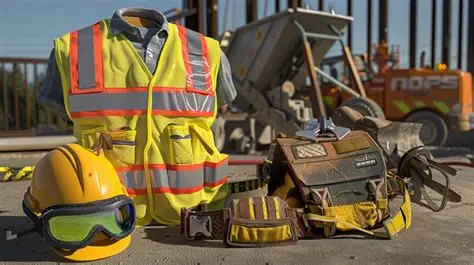
For homeowners, basic safety gear includes heavy-duty gloves, goggles, and hard-soled boots to navigate debris after a storm. A weather radio, fire extinguisher, and fully charged flashlights should be within easy reach. On construction sites, the gear gets more technical: hard hats, reflective vests, safety harnesses, and first-aid kits should be checked, stocked, and accessible. Ensuring every worker knows the location of safety stations can save lives in an emergency.
Tying Down With Confidence
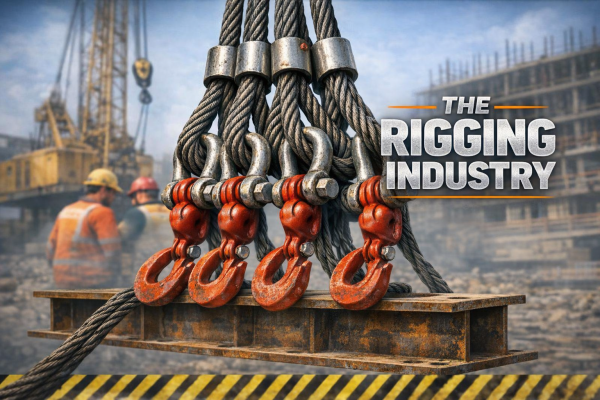
Wind can transform everyday objects into dangerous missiles. Construction zones should be cleared of loose materials like lumber, pipes, and tools. Pallets should be banded, scaffolding should be braced, and heavy equipment properly anchored. For homeowners, securing outdoor furniture, grills, and garbage bins with bungee cords or tie-down straps is key. Invest in anchoring kits for sheds or large playsets, and reinforce fencing or gates that could be torn loose.
Generator Preparation Done Right
A generator can be a literal lifesaver when the power grid fails. Whether portable or standby, it must be properly maintained and safely operated. Construction crews should test generators weekly and keep fuel in airtight containers, stored away from ignition sources. Homeowners should follow manufacturer guidelines on installation and ensure carbon monoxide detectors are functioning—never run a generator indoors or in a closed garage.
What to Buy Before the Rush
Once a storm is named, supplies vanish fast. Now’s the time to check your inventory of fuel cans, extension cords rated for outdoor use, tie-down straps, tarp, and batteries. Homeowners may also want to pick up plywood or storm shutters ahead of time. Contractors should double-check that sites are equipped with heavy-duty locks, tarps, and water-resistant containers for tools and blueprints.
Prep Today, Breathe Easier Tomorrow
Preparation doesn’t have to be a scramble. A few well-timed purchases and a strategic plan can protect lives, projects, and property. Whether you’re building homes or protecting your own, getting ahead of hurricane season means stepping into the storm with confidence—and coming out of it with far less cleanup.
When hurricane season rolls in, preparation isn’t just a precaution—it’s your strongest line of defense. Whether you’re safeguarding your family home or managing an active construction site, having the right safety supplies can make all the difference between minor inconvenience and major catastrophe.
Home Safety: Securing the Sanctuary
For homeowners, preparation begins before the first storm warning. Here’s what to stock up on:
Emergency Supplies Kit
- Water (1 gallon per person per day for 3+ days)
- Non-perishable food
- Flashlights and batteries
- First aid kit
- Manual can opener
- Portable phone charger or power bank
- Emergency blankets and sanitation supplies
Home Protection Tools
- Sandbags for flood-prone areas
- Plywood or hurricane shutters to cover windows
- Caulking/sealant to reinforce cracks or leaks
- Sump pump and backup generator
- Fire extinguisher
Documentation & Planning
- Keep copies of important documents in a waterproof container
- Know your evacuation routes
- Set a communication plan with family members
Construction Site Safety: Protecting Projects & Crews
Construction zones are particularly vulnerable to hurricanes. Loose materials, temporary structures, and exposed frameworks are all at risk. Consider the following:
Site Supplies & Equipment
- Tarpaulins and waterproof sheeting to cover machinery and materials
- Tie-downs, straps, and anchors for securing equipment
- Steel cables or chains to brace scaffolding
- Lockable weatherproof storage for tools
- Emergency power supply (generators with fuel)
Personnel Protection
- High-visibility rain gear
- Hard hats and waterproof boots
- Two-way radios or satellite phones
- Emergency medical kits specific to job site hazards
Planning and Protocols
- Designate a storm safety coordinator
- Conduct drills for evacuation and equipment lockdown
- Use digital backups for permits, blueprints, and contracts
Proactivity Saves Property
Being caught off-guard during a hurricane isn’t just dangerous—it’s costly. A prepared home stands stronger. A well-protected site gets back to work faster. The earlier you act, the better your chances of riding out the storm with minimal disruption.