Blog

Navigating Safety: Best Practices and Equipment for Barge Ship Operations
Barge ships are the unsung workhorses of the maritime industry, transporting massive quantities of cargo through inland waterways and coastal routes. While they may not command the same attention as ocean liners or container ships, the safety of barge operations is no less critical. Working on a barge presents unique challenges—limited space, exposure to the elements, and the constant motion of water. Ensuring a safe work environment requires a combination of rigorous training, vigilant protocols, and specialized equipment tailored to the barge’s operational context.
One of the foundational pillars of barge safety is personal protective equipment (PPE). Crew members are often exposed to slippery surfaces, heavy machinery, and unpredictable weather. Standard PPE includes hard hats, steel-toe boots, high-visibility vests, gloves, and life jackets. In particular, Type I or Type V personal flotation devices (PFDs) are essential for workers on deck, especially during loading and unloading operations. These PFDs are designed to keep an unconscious person afloat and are often equipped with reflective tape and emergency whistles for visibility and signaling.
Beyond individual gear, the barge itself must be outfitted with safety systems that mitigate risk. Fire suppression systems, such as portable extinguishers and fixed CO₂ or foam systems, are vital in case of onboard fires—especially in engine rooms or near fuel storage. Emergency lighting and signage must be clearly visible and functional, guiding crew members to exits and muster stations even in low-visibility conditions. Additionally, watertight doors and bulkheads help contain flooding in the event of hull breaches, buying critical time for evacuation or repair.
Communication is another cornerstone of barge safety. Reliable two-way radios, public address systems, and emergency alarms ensure that crew members can coordinate effectively and respond swiftly to incidents. In high-traffic waterways or during poor weather, radar systems and AIS (Automatic Identification Systems) help prevent collisions by providing real-time data on nearby vessels. These technologies are especially crucial when navigating narrow channels or docking in congested ports.
Training and drills are just as important as physical equipment. All crew members should be well-versed in emergency procedures, including man-overboard recovery, fire response, and abandon-ship protocols. Regular safety drills not only reinforce these procedures but also help identify gaps in readiness. Many barge operators also implement behavior-based safety programs, encouraging crew members to report hazards and near-misses without fear of reprisal. This proactive culture fosters accountability and continuous improvement.
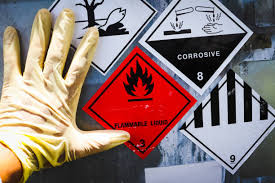
Environmental hazards also demand attention. Barge crews often handle hazardous materials, from petroleum products to industrial chemicals. Spill containment kits, absorbent booms, and proper labeling are essential for preventing and responding to leaks. Moreover, noise and vibration from engines and pumps can lead to long-term health issues, making hearing protection and vibration-dampening equipment necessary for crew well-being. Ventilation systems must also be maintained to prevent the buildup of toxic fumes in enclosed spaces.
Weather conditions can change rapidly on the water, and barges—due to their flat design—are particularly susceptible to wind and wave action. Anti-slip coatings on decks, handrails, and secure tie-downs for cargo are critical for maintaining stability. During winter operations, de-icing equipment and thermal protective clothing help prevent slips and hypothermia. In hurricane-prone regions, barge operators must have contingency plans for securing vessels and evacuating personnel well in advance of storms.
Ultimately, safety on barge ships is a shared responsibility. From captains to deckhands, every crew member plays a role in maintaining vigilance and adhering to protocols. Investing in the right equipment is only half the battle; fostering a culture of safety, where communication, training, and accountability are prioritized, is what truly keeps people safe. As the maritime industry evolves, so too must our commitment to protecting the lives of those who keep our waterways moving.