Blog
Industrial & Commercial Safety: 9 Critical Areas Every Jobsite Must Prioritize
Industrial and commercial worksites operate in environments where heavy machinery, high‑capacity loads, and fast‑moving operations intersect. Safety isn’t just a compliance requirement—it’s the foundation of productivity, worker confidence, and long‑term operational success. Below are nine essential safety topics every company should prioritize to protect their teams and equipment.
1. Rigging Safety
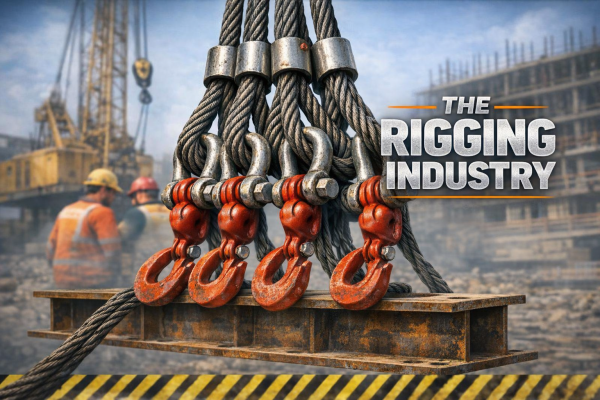
Rigging remains one of the most high‑risk activities on any jobsite. Workers must understand proper sling selection, load calculations, and inspection procedures to prevent catastrophic failures. Using certified hardware and following OSHA rigging standards ensures every lift is executed with precision and control. Additional training on sling angles, hitch types, and load‑path planning helps reduce unpredictable movement during lifts. Supervisors should also enforce strict pre‑use inspections to catch wear or damage before equipment is put under load. When teams combine knowledge with high‑quality rigging gear, the risk of accidents drops dramatically.
2. Fall Protection
Falls continue to be the leading cause of injury in construction and industrial environments. Guardrails, harnesses, anchor points, and elevated‑work training are essential components of a comprehensive fall‑protection program. Regular inspections of fall‑arrest systems help ensure equipment remains reliable under stress. Workers must also be trained to recognize unstable surfaces, unprotected edges, and improper ladder setups. Incorporating routine toolbox talks reinforces safe habits and keeps fall hazards top‑of‑mind. When fall‑protection systems are paired with strong safety culture, jobsite risks decrease significantly.
3. Hazard Communication
Chemical exposure, mislabeled containers, and improper storage can lead to severe injuries. A strong HazCom program includes clear labeling, accessible Safety Data Sheets, and employee training on handling hazardous materials. This ensures workers understand the risks before they begin any task involving chemicals. Employers should also maintain organized chemical storage areas to prevent accidental mixing or spills. Routine audits help verify that labels remain legible and SDS documents are up to date. When workers know exactly what they’re handling, they can take the right precautions every time.
4. Machine Guarding
Industrial machinery poses significant risks when moving parts are exposed. Machine guarding prevents accidental contact, entanglement, and crushing injuries. Employers must ensure guards are in place, functional, and never bypassed—no matter how routine the task may seem. Regular maintenance checks help identify loose guards or worn components before they fail. Workers should be trained to report missing or damaged guards immediately rather than attempting makeshift fixes. Proper guarding not only protects employees but also extends the lifespan of the equipment itself.
5. Electrical Safety
Arc flashes, faulty wiring, and improper lockout/tagout procedures can result in life‑threatening incidents. Workers must be trained to identify electrical hazards, de‑energize equipment before maintenance, and follow strict LOTO procedures to prevent accidental energization. Only qualified personnel should perform electrical work or troubleshoot energized systems. Routine inspections of cords, panels, and breakers help catch early signs of wear or overload. Employers should also provide arc‑rated PPE for high‑risk tasks. When electrical systems are properly maintained, the entire facility becomes safer.
6. Confined Space Entry
Confined spaces such as tanks, pits, and silos present unique dangers including oxygen deficiency, toxic gases, and limited escape routes. Proper permitting, atmospheric testing, ventilation, and rescue planning are essential to protect workers entering these high‑risk environments. Entrants, attendants, and supervisors must each understand their specific responsibilities. Continuous air monitoring ensures conditions remain safe throughout the task. Rescue equipment should be staged and ready before anyone enters the space. With the right controls in place, confined‑space work can be performed safely and efficiently.
7. Personal Protective Equipment (PPE)
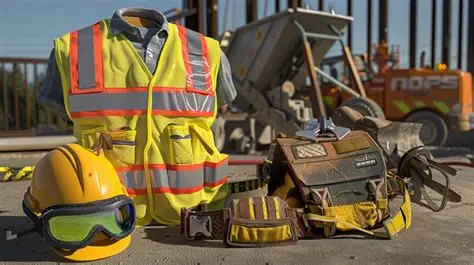
PPE is the last line of defense against hazards. Hard hats, gloves, eye protection, steel‑toe boots, and high‑visibility clothing must be selected based on jobsite conditions. Employers should train workers on proper PPE use and replace worn or damaged gear immediately. PPE must also be fitted correctly to ensure full protection and comfort. Routine inspections help identify when equipment has reached the end of its service life. When PPE is used consistently and correctly, it significantly reduces the severity of workplace injuries.
8. Material Handling & Storage
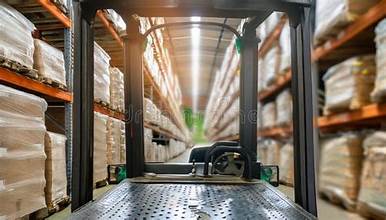
Improper stacking, unstable loads, and poor forklift operation can lead to injuries and equipment damage. Safe material handling includes load‑rating awareness, proper palletizing, and clear traffic routes for forklifts and pedestrians. Workers should be trained to recognize unsafe load conditions before moving materials. Using designated storage zones helps prevent clutter and reduces trip hazards. Forklift operators must be certified and follow strict speed and visibility guidelines. When materials are stored and moved safely, overall jobsite efficiency improves.
9. Emergency Preparedness
Every jobsite must be prepared for fires, medical emergencies, severe weather, and equipment failures. Emergency action plans, evacuation routes, first‑aid training, and accessible fire extinguishers ensure workers can respond quickly and effectively when seconds matter. Regular drills help reinforce procedures and identify gaps in readiness. Communication systems should be tested frequently to ensure alerts reach all personnel. Supervisors must also verify that emergency equipment remains fully stocked and functional. A well‑prepared team can prevent small incidents from becoming major crises.
Industrial and commercial safety is not a single policy—it’s a culture built on training, awareness, and reliable equipment. By prioritizing these nine safety areas, companies can reduce risk, protect their workforce, and maintain efficient operations. When teams commit to continuous improvement, safety becomes a natural part of daily workflow rather than an afterthought. Trident Supply LLC remains dedicated to supporting safer jobsites with high‑quality rigging gear, industrial hardware, and dependable safety solutions. A safer workplace isn’t just good practice—it’s good business.